
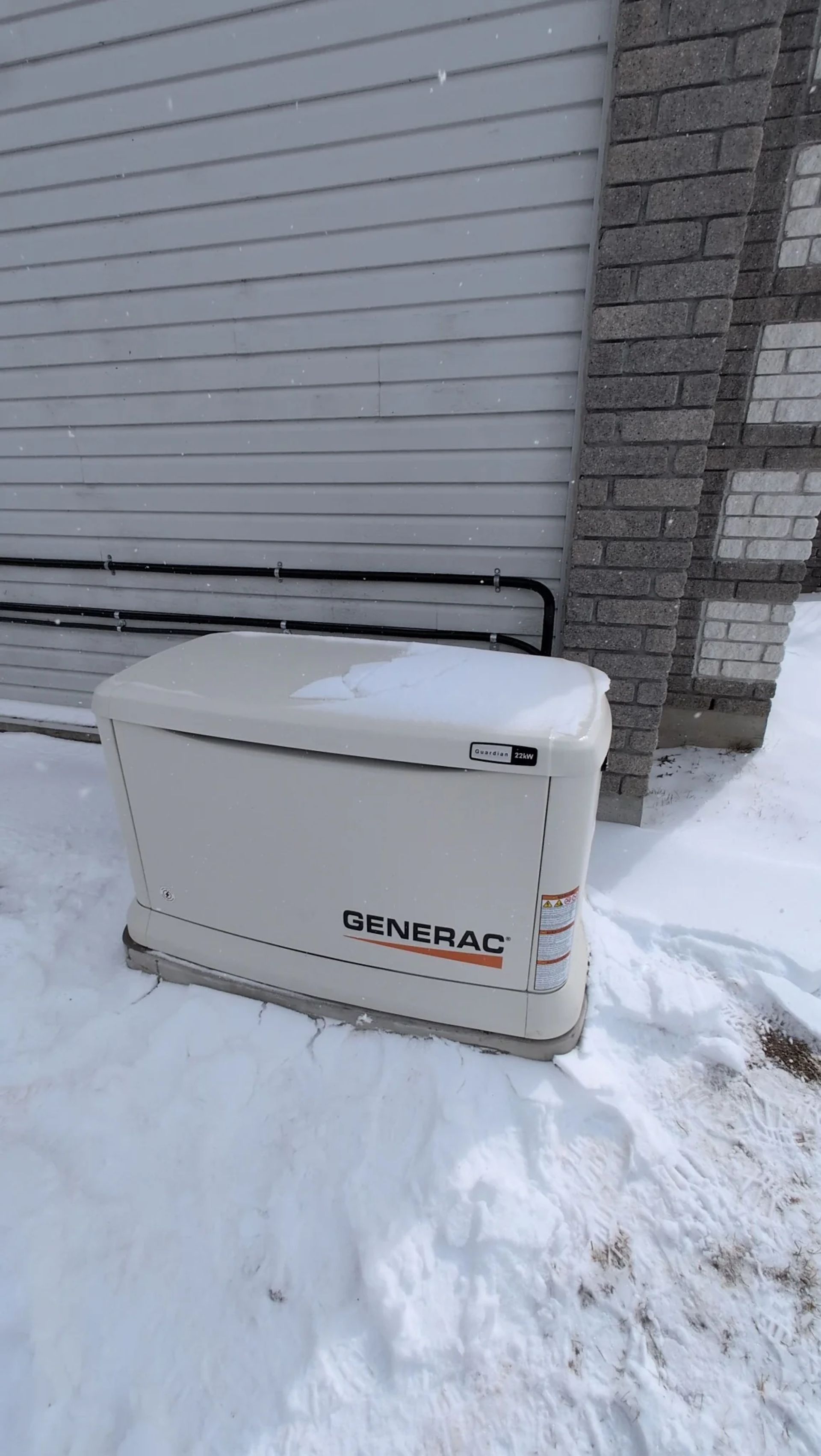
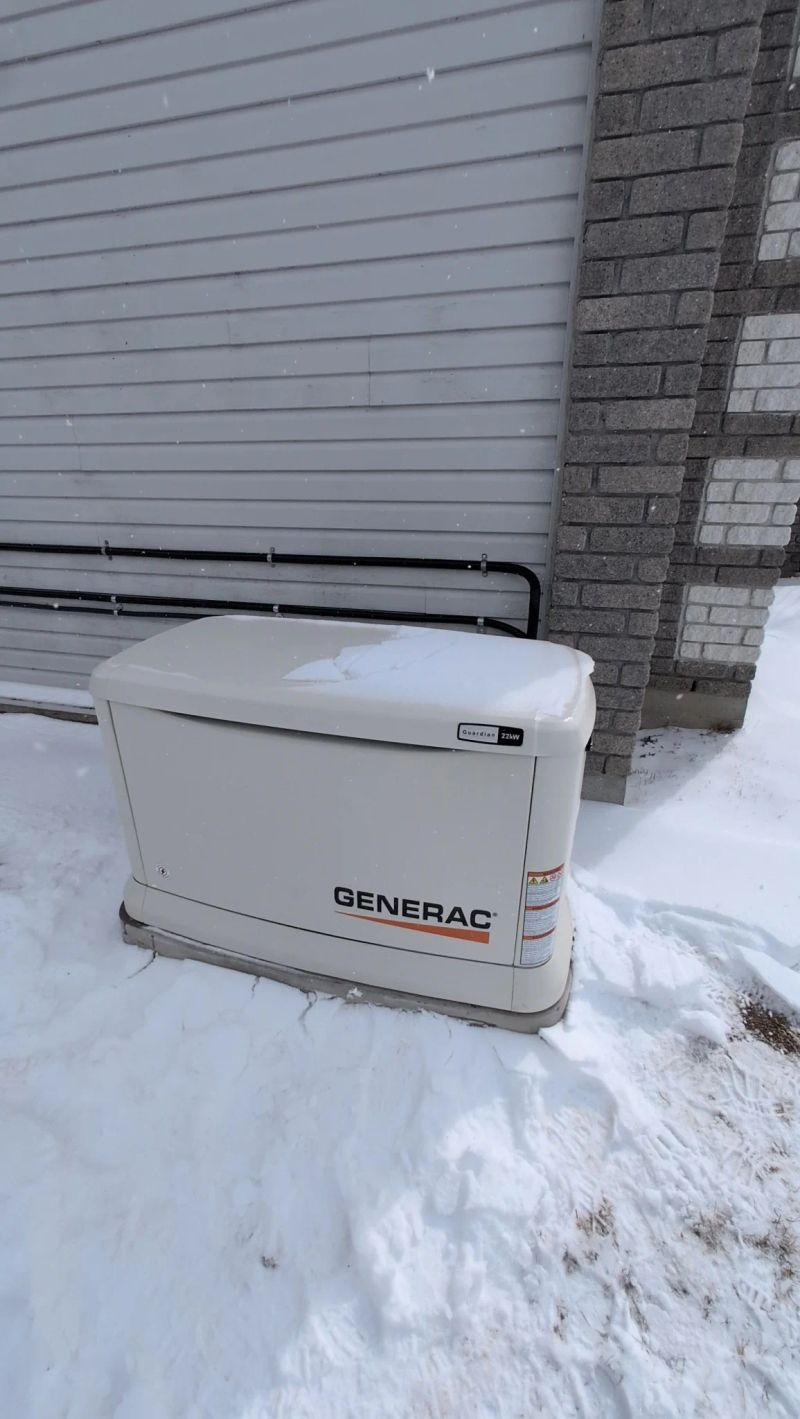
Installing a whole-home standby generator is a significant home improvement project, and knowing what to expect at each stage can make the experience smoother and less stressful. The process involves coordination between your electrician, your gas utility or propane supplier, your municipality, and the Electrical Safety Authority. Here is a step-by-step overview of how a typical residential generator installation unfolds in the Hamilton and Niagara area.
Step 1: In-Home Consultation and Load Assessment
The process starts with a visit to your home by a licensed electrician who will evaluate your electrical panel, identify the circuits and appliances you want to keep powered during an outage, and perform a load calculation to determine the right generator size. They will also inspect the exterior of your home to determine the best placement for the generator unit, considering factors like setback requirements from windows, doors, and property lines, as well as access for maintenance. This consultation typically takes about an hour and should be offered at no charge by any reputable installer.
Step 2: Proposal, Equipment Selection, and Permits
After the assessment, you will receive a written proposal outlining the recommended generator, the scope of work, and the total cost. Once you approve the proposal and select your equipment, the installer applies for the necessary permits. In Ontario, you will need an electrical permit from the ESA and a gas permit if new gas piping is being installed. Permit processing times vary by municipality but typically take one to two weeks. Equipment lead times depend on the brand and model, and current supply chain conditions in Ontario can add a few weeks. Your installer should communicate realistic timelines upfront.
Step 3: Site Preparation
Before the generator arrives, the installation site needs to be prepared. This usually involves pouring a level concrete pad or placing a composite mounting pad where the generator will sit. The pad needs to be sized to the generator and positioned according to the manufacturer requirements and local code setback distances. In Hamilton, generators must typically be a minimum distance from windows, doors, and air intakes, and may need to meet specific noise bylaws depending on your neighbourhood. If any landscaping, fencing, or other structures are in the way, they may need to be temporarily relocated.
Step 4: Generator Placement and Electrical Connection
On installation day, the generator unit is delivered and placed on the prepared pad. The electrician then installs the automatic transfer switch adjacent to your main electrical panel and runs the wiring between the transfer switch, your panel, and the generator. This is the most labour-intensive part of the job and typically takes a full day. The transfer switch is the brain of the system, constantly monitoring utility power and automatically starting the generator when an outage is detected. The electrician also connects the generator control wiring and ensures all connections are secure and properly labelled.
Step 5: Gas Line Connection and Fuel Setup
A licensed gas technician connects the generator to your home natural gas supply or to a dedicated propane tank. This involves running a gas line from your meter or tank to the generator, installing a shutoff valve, and testing the line for leaks. If your existing gas line does not have sufficient capacity to serve the generator in addition to your furnace, water heater, and other gas appliances, an upgrade to the gas supply may be required. For propane installations, the tank needs to be sized based on the generator runtime you want and placed according to TSSA regulations.
Step 6: Testing, Programming, and ESA Inspection
Once all connections are complete, the electrician starts the generator and runs it through a series of tests. This includes simulating a power outage to verify that the transfer switch activates correctly, the generator starts within the expected time frame, and power is delivered cleanly to your home circuits. The generator is programmed for weekly exercise cycles, typically a brief run at a set time each week to keep the engine and systems in working order. Finally, the Electrical Safety Authority conducts an inspection to verify that the installation meets the Ontario Electrical Safety Code. The inspector examines the wiring, the transfer switch installation, grounding, and documentation. Once the ESA signs off, your system is complete and ready for service.
From the initial consultation to the final ESA approval, a typical generator installation in the Hamilton area takes two to four weeks depending on permit processing and equipment availability. At Remarkable Electric, we manage every step of the process so you do not have to coordinate multiple trades and agencies on your own. Contact us today to start the process and have your backup power system installed before the next outage season arrives.
Related Articles
• How Much Does a Whole-Home Generator Cost in Ontario? — /blog/whole-home-generator-cost-ontario
• Generator Maintenance: How to Keep Your Backup Power Ready Year-Round — /blog/generator-maintenance-backup-power-year-round
• Generac vs Briggs & Stratton vs Champion: Which Generator Is Right for Your Home? — /blog/generac-vs-briggs-stratton-vs-champion-generators
➡ Learn more about our Backup Power & Generators service — /services/backup-power-generators
Our licensed electricians are ready to help. Same-day response, flat-rate pricing, lifetime warranty.
Free Estimate
Flat-Rate Pricing. No Surprises. Same-Day Response.
Call Us
(289) 210-5221Service Area
Hamilton, Niagara & Southern Ontario
Hours
Mon–Sat: 24 Hours
Sun: By Emergency Appointment Only
Our Promise
Satisfaction Guaranteed or We Come Back Free